
Nutrition for Pilates: Fueling Your Body for Strength and Balance
Feb 10, 2026 · 7 min read · Nutrition
Your Pilates practice doesn’t begin and end on the mat. What you eat plays a powerful role in how you feel, move, and recover. Proper nutrition supports muscle strength, sustained energy, and mental clarity—key elements of a balanced Pilates lifestyle.
In this article, we explore how to nourish your body to enhance performance, recovery, and overall wellness.
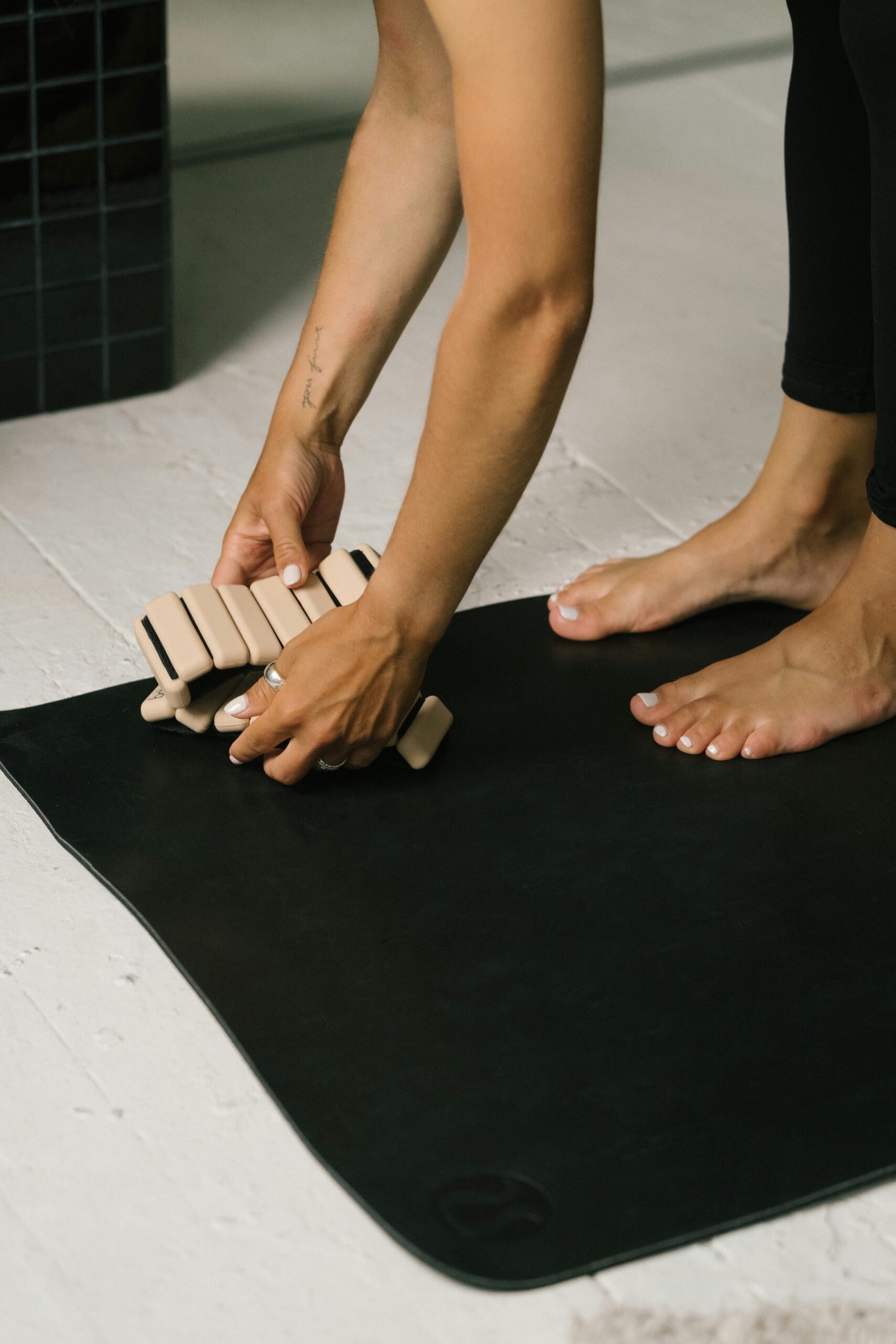
Why Nutrition Matters in Pilates
Pilates focuses on controlled movement, core strength, flexibility, and mind-body awareness. To perform at your best, your body needs:
- Sustainable energy
- Muscle recovery support
- Hydration
- Balanced nutrients
Without proper fuel, even the most consistent practice can feel challenging and less effective.
The Foundations of a Balanced Diet
You don’t need extreme diets or complicated meal plans. Instead, focus on balance and consistency.
🥗 Whole, Nutrient-Dense Foods
Choose minimally processed foods rich in vitamins and minerals—vegetables, fruits, whole grains, lean proteins, and healthy fats.
🍳 Protein for Muscle Support
Protein helps repair and build muscle tissue after workouts. Good sources include eggs, legumes, fish, tofu, and lean meats.
🥑 Healthy Fats for Energy
Avocado, nuts, seeds, and olive oil support sustained energy and hormone balance.
🍠 Complex Carbohydrates
Whole grains and starchy vegetables provide steady fuel without energy crashes.
What to Eat Before Pilates
Before your session, aim for something light and energizing:
- A banana with nut butter
- Greek yogurt with berries
- A small smoothie
- Oats with seeds
Eat 30–60 minutes before practice to avoid feeling too full.
Post-Workout Recovery
After Pilates, your body benefits from:
- Protein to repair muscles
- Carbohydrates to restore energy
- Hydration
A balanced meal within 60–90 minutes supports recovery and helps reduce soreness.
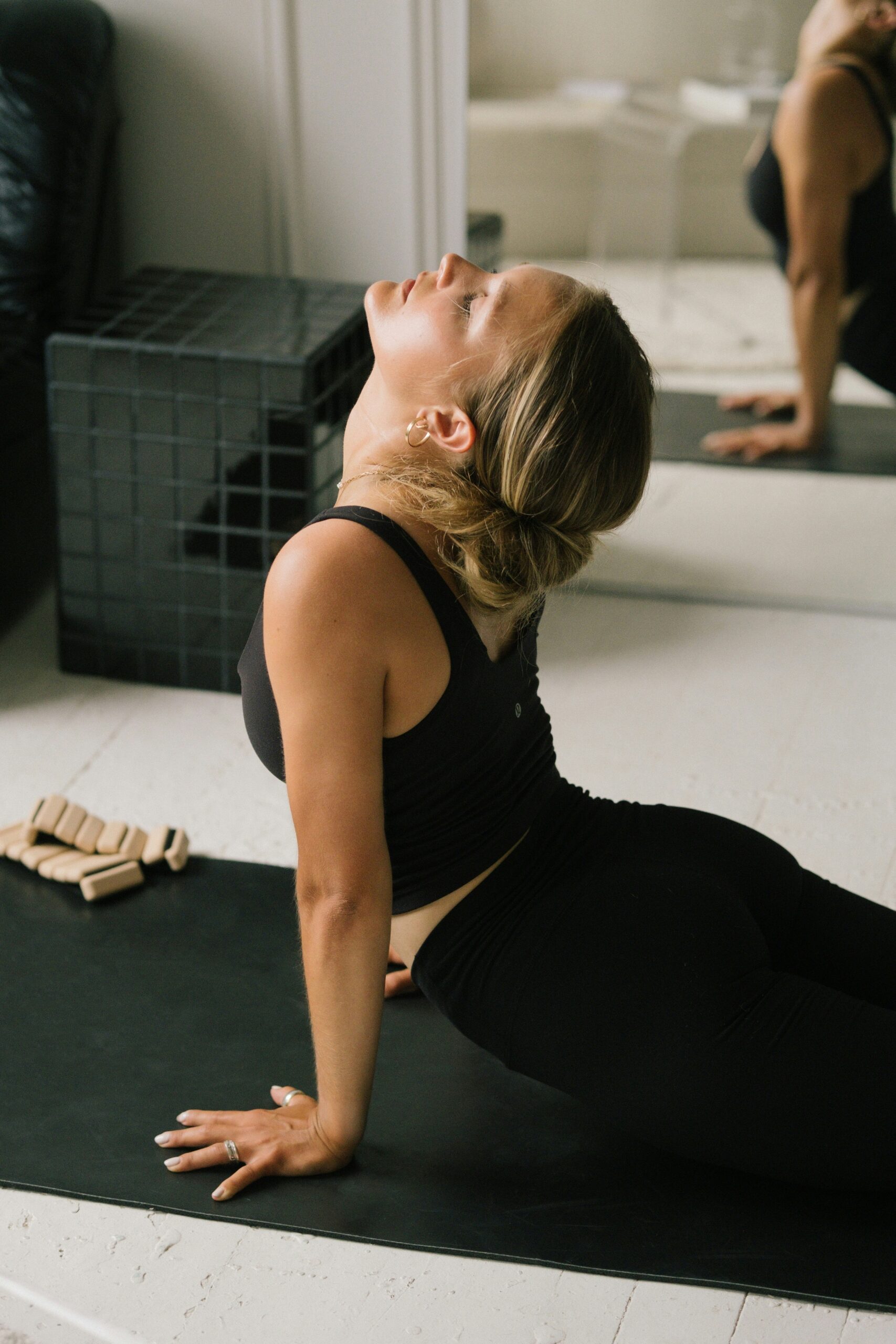
Hydration Is Key
Even low-impact workouts like Pilates require proper hydration.
- Drink water throughout the day
- Increase intake if you sweat more
- Consider electrolytes if needed
Hydration supports joint health, muscle function, and concentration.
Mindful Eating and the Mind-Body Connection
Just as Pilates encourages awareness in movement, mindful eating encourages awareness in nourishment.
- Eat slowly
- Notice hunger and fullness cues
- Choose foods that make you feel energized
This mindful approach strengthens the connection between how you eat and how you feel.
Sustainable Wellness Over Perfection
There’s no “perfect” Pilates diet. The goal is consistency, balance, and listening to your body.
Avoid restrictive patterns. Instead, build habits that support:
- Long-term energy
- Strength development
- Mental clarity
- Overall wellbeing
Nourish Your Practice
Pilates strengthens your body from the inside out—and proper nutrition amplifies those benefits. When you fuel your body with intention, you enhance performance, recovery, and resilience.
Explore more wellness insights, practical tips, and expert guidance here at The Pilates Blog, and continue building a lifestyle that supports strength, balance, and mindful living.