
Pilates Equipment Guide: What You Really Need
Feb 1, 2026 · 7 min read · Equipment
When starting Pilates, it’s easy to feel overwhelmed by the variety of equipment available. From reformers to resistance rings, the options can seem endless. But the truth is—you don’t need a fully equipped studio to experience the benefits of Pilates.
In this guide, we break down what you really need, what’s optional, and how to choose equipment that supports your practice.
Do You Need Equipment for Pilates?
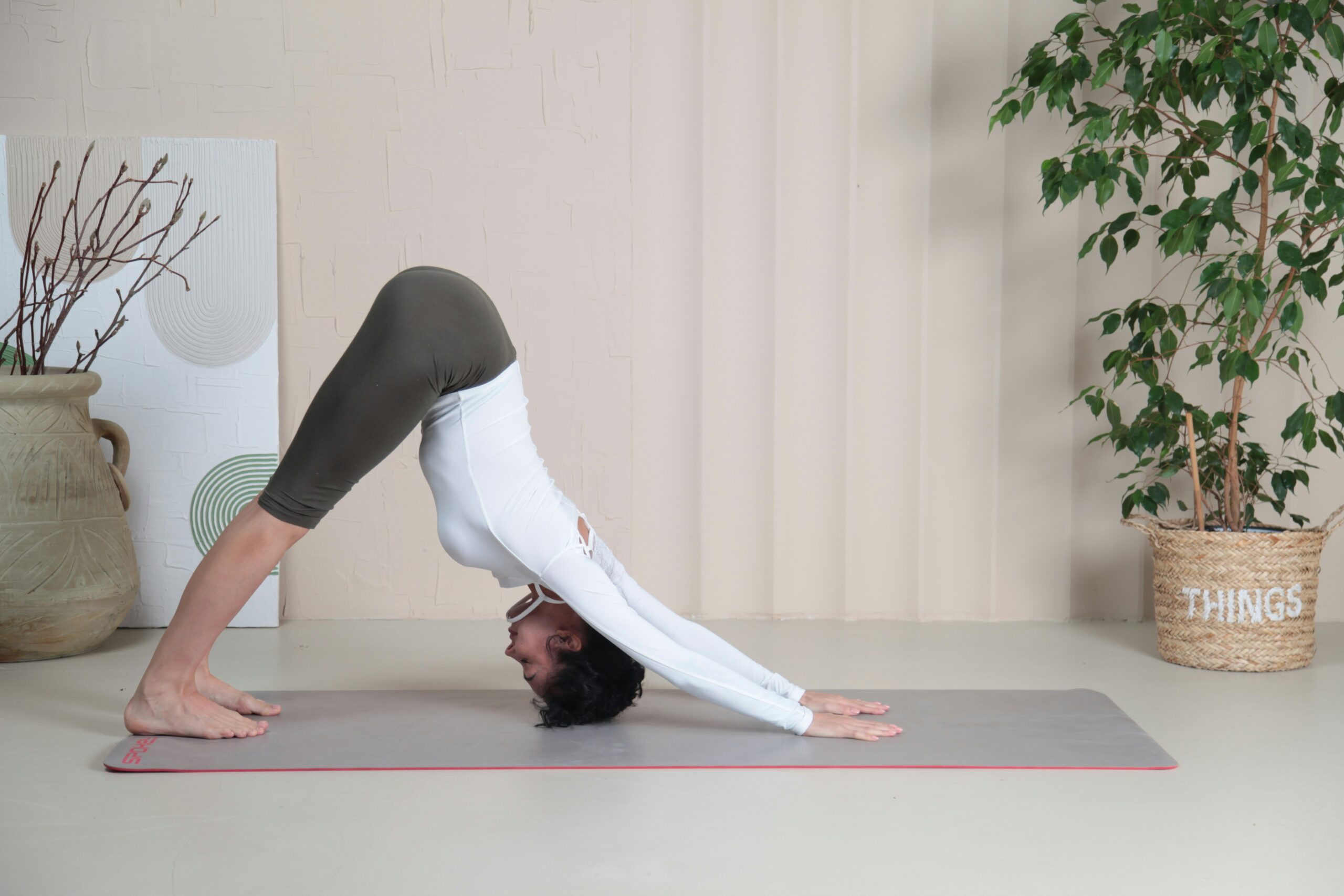
Not necessarily.
Many foundational Pilates exercises are performed on a simple mat using just your body weight. Mat Pilates is highly effective for building strength, improving flexibility, and developing core control.
However, certain tools can enhance your workouts by adding resistance, support, or variety.
Essential: The Pilates Mat
A quality mat is the most important investment for home practice.
What to Look For:
- Slightly thicker than a yoga mat for spinal support
- Non-slip surface
- Comfortable cushioning
A supportive mat protects your back during rolling exercises and floor work.
Optional but Helpful Equipment
1. Resistance Bands
Lightweight and versatile, resistance bands add intensity without bulk.
Benefits:
- Improve muscle engagement
- Increase challenge gradually
- Great for travel workouts
2. Pilates Ring (Magic Circle)
A flexible ring used to add resistance to arm and leg exercises.
Benefits:
- Enhances inner thigh and arm activation
- Improves muscle control
- Supports proper alignment
3. Light Dumbbells
Small hand weights (1–3 kg) can increase upper-body strength.
Benefits:
- Add resistance safely
- Improve shoulder stability
- Enhance endurance
4. Stability Ball
Adds an element of balance and core challenge.
Benefits:
- Engages deep stabilizing muscles
- Improves coordination
- Supports posture training
Studio Equipment: Reformer, Cadillac & More
In a studio setting, you may encounter larger equipment such as:
- Reformer
- Cadillac
- Wunda Chair
- Ladder Barrel
These machines use springs for adjustable resistance and guided movement patterns. They are excellent for personalized instruction and rehabilitation but are not necessary for beginners practicing at home.
Choosing the Right Equipment for You
When deciding what to purchase, consider:
- Your experience level
- Available space
- Budget
- Personal goals
Start simple. Master foundational movements before adding advanced tools.
Quality Over Quantity
It’s better to invest in one or two well-made pieces of equipment than to buy multiple low-quality items. Durable, supportive tools will enhance your experience and reduce risk of injury.
Keep It Simple
Pilates is about control, precision, and connection—not about having the most equipment. Even with just a mat and your body weight, you can build strength, flexibility, and balance effectively.
As your confidence grows, you can gradually incorporate additional tools to keep your practice engaging and challenging.
Explore more expert guidance, practical tips, and wellness insights here at The Pilates Blog, and continue building a practice that supports your strength, balance, and mindful movement journey.