
10 Essential Pilates Exercises for Core Strength
Feb 5, 2026 · 8 min read · Exercises
A strong core is the foundation of every Pilates practice. More than just defined abs, true core strength supports your spine, improves posture, enhances balance, and protects your body from injury.
In this guide, we’ll explore 10 essential Pilates exercises that help you build deep, functional core strength while improving overall stability.
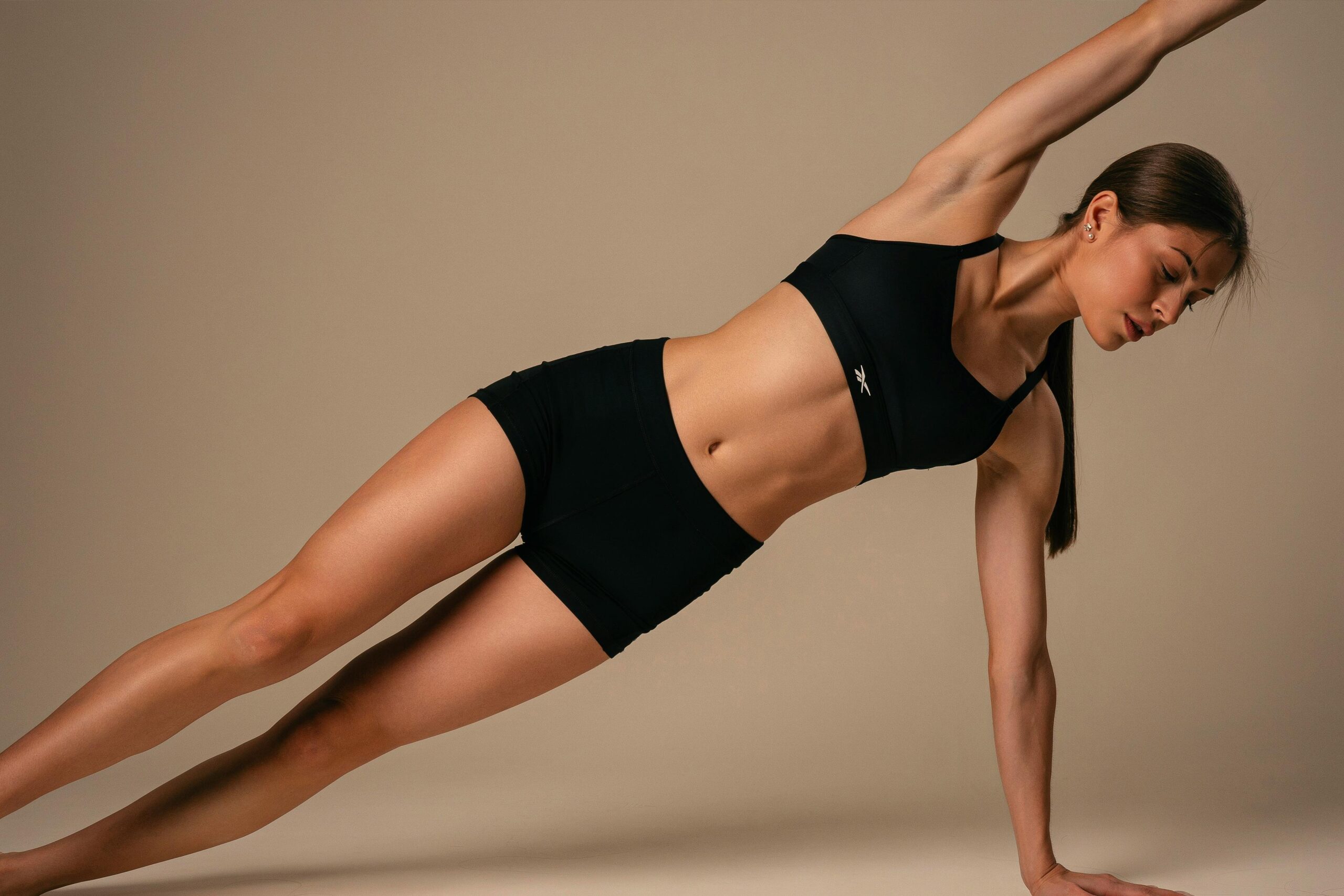
Why Core Strength Matters
Your core includes more than your abdominal muscles. It also involves the deep stabilizing muscles of your pelvis, lower back, and hips. Strengthening these muscles can:
- Improve posture and alignment
- Reduce lower back discomfort
- Enhance athletic performance
- Increase body awareness and balance
Pilates targets these muscles through controlled, precise movements that emphasize breath and stability.
1. The Hundred
A classic Pilates warm-up that activates the core and improves endurance.
How it helps:
Engages deep abdominal muscles while promoting breath control.
2. Roll-Up
A slow, controlled movement that strengthens the abdominals and improves spinal mobility.
How it helps:
Builds core control while increasing flexibility through the spine.
3. Single Leg Stretch
A foundational exercise that challenges coordination and abdominal engagement.
How it helps:
Strengthens lower abdominals and enhances stability.
4. Double Leg Stretch
A progression from the single leg stretch that increases intensity.
How it helps:
Develops endurance and full-core engagement.
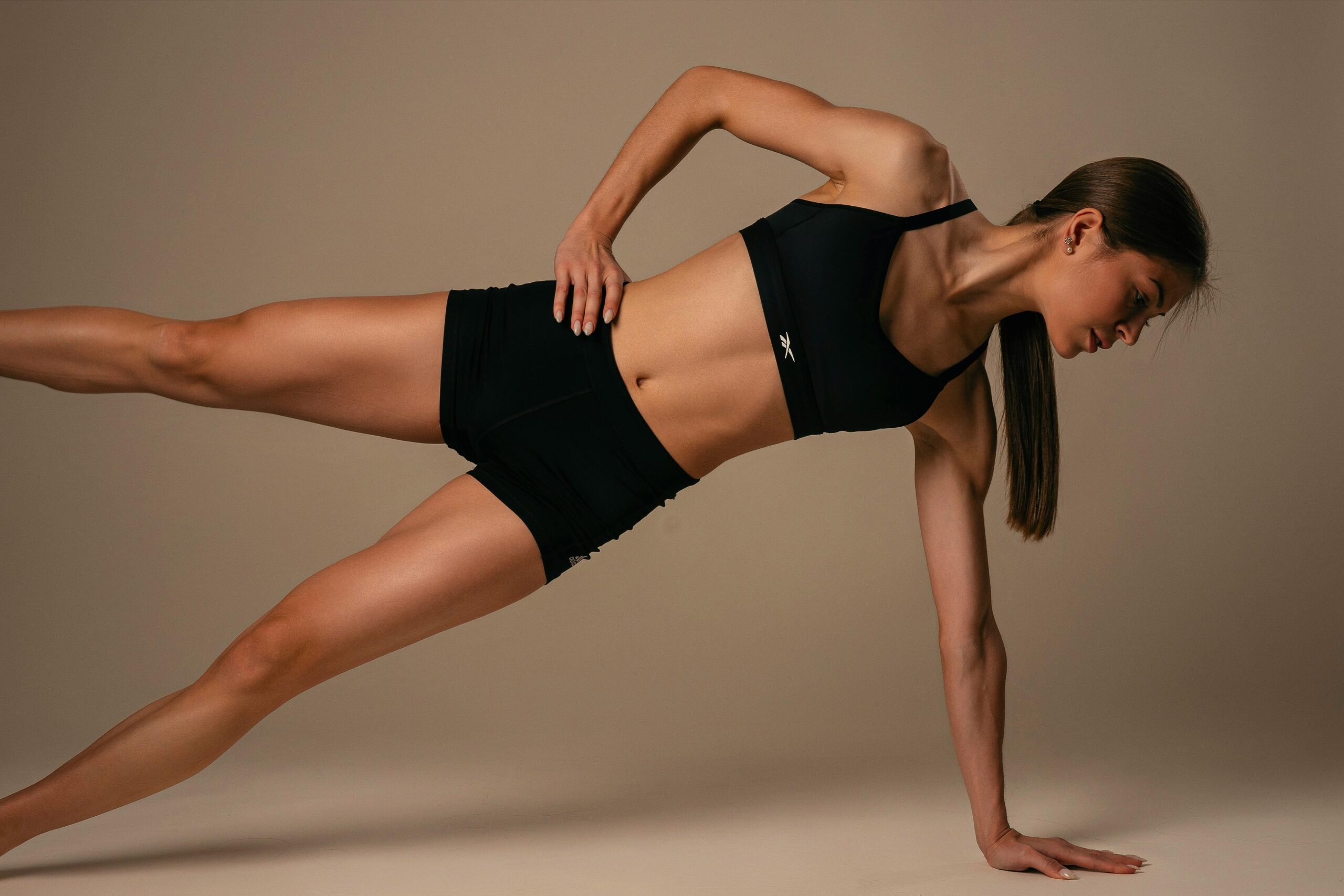
5. Plank (Pilates Style)
A full-body stabilization exercise performed with precise alignment.
How it helps:
Strengthens core, shoulders, and glutes while improving posture.
6. Side Plank
Targets the obliques and improves lateral stability.
How it helps:
Enhances balance and strengthens deep side core muscles.
7. Teaser (Modified or Full)
One of the most recognized Pilates movements.
How it helps:
Challenges control, balance, and overall core strength.
8. Swimming
Performed face down, this movement strengthens the back body.
How it helps:
Balances abdominal work by strengthening lower back muscles.
9. Leg Circles
Controlled circular leg movements performed while maintaining core stability.
How it helps:
Improves hip mobility while stabilizing the pelvis.
10. Spine Twist
A seated rotational movement that engages the obliques.
How it helps:
Builds rotational strength and enhances spinal mobility.
How to Structure Your Core Workout
For beginners:
- Choose 5–6 exercises
- Perform 8–12 slow, controlled repetitions
- Focus on breathing and alignment
For more advanced practice:
- Increase repetitions
- Add flow between movements
- Challenge balance and coordination
Consistency is key. Even two to three sessions per week can create noticeable improvements.
Focus on Form Over Speed
Pilates is about precision, not rushing through movements. Quality of movement matters far more than quantity. If your form begins to suffer, pause, reset, and continue with intention.
Build Strength That Supports Your Life
A strong core improves not just your Pilates practice, but your everyday movement—from sitting at your desk to lifting groceries or pursuing other athletic activities.
By integrating these essential exercises into your routine, you’ll create a strong, stable foundation that supports long-term wellness.
Ready to explore more? Discover additional insights, expert tips, and guidance here at The Pilates Blog and continue strengthening your journey.