
Getting Started with Pilates: A Beginner’s Guide
Feb 8, 2026 · 5 min read · Beginners
Starting something new can feel overwhelming—but Pilates is one of the most accessible and transformative practices you can begin at any stage of life. Whether you’re looking to build strength, improve flexibility, or create a deeper mind-body connection, Pilates offers a powerful foundation for long-term wellness.
In this beginner’s guide, we’ll walk you through the fundamentals of Pilates and how to confidently begin your journey with proper form and technique.
What Is Pilates?
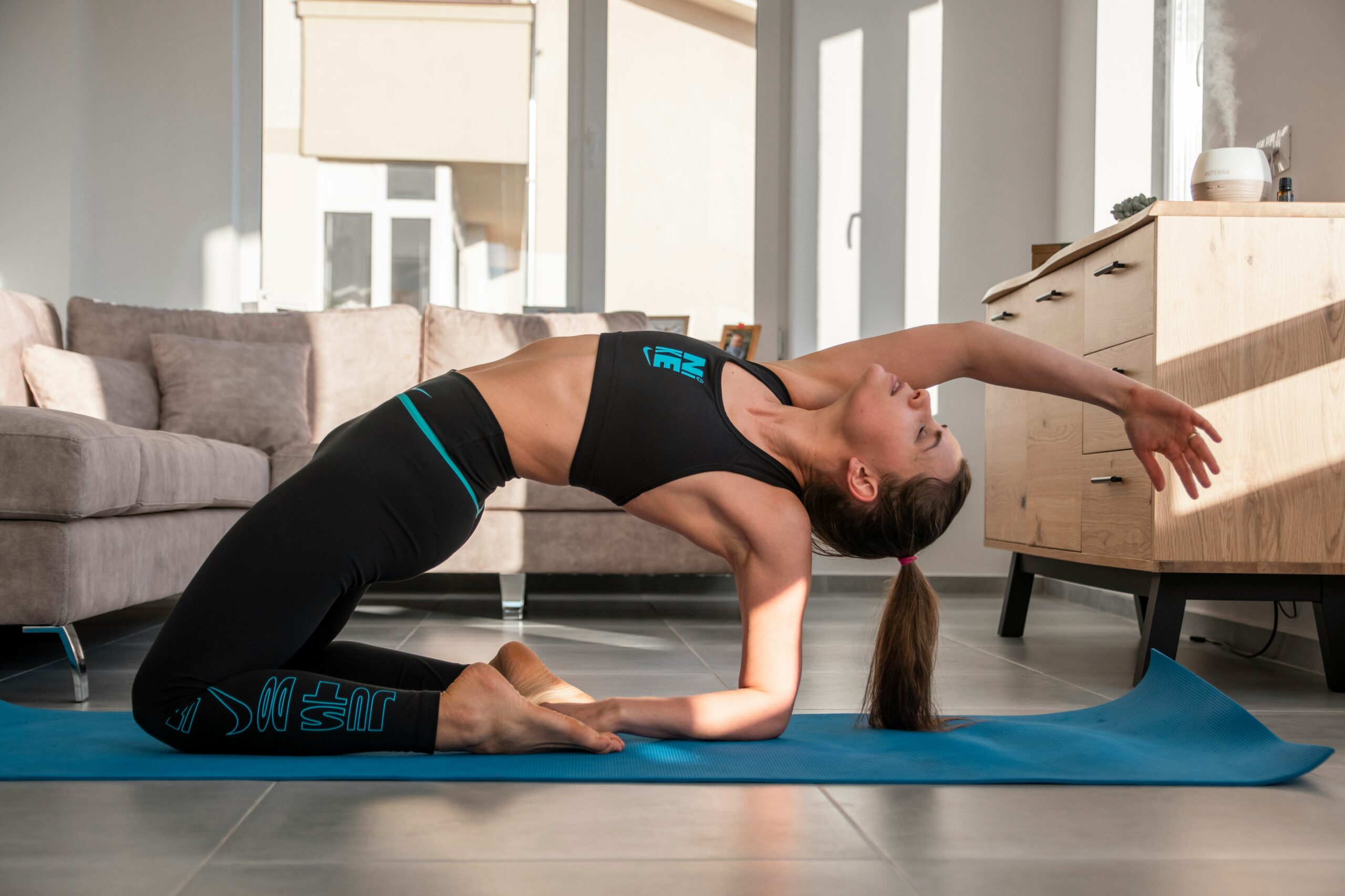
Pilates is a low-impact exercise method designed to strengthen muscles while improving posture, flexibility, and balance. Unlike high-intensity workouts, Pilates focuses on controlled movements, breathwork, and alignment.
At its core, Pilates is about quality over quantity—each movement is intentional and precise.
Benefits of Pilates for Beginners
If you’re new to Pilates, here’s what you can expect:
✔ Improved Core Strength
Pilates targets deep core muscles that support your spine and improve stability.
✔ Better Posture
Through alignment-focused exercises, Pilates helps correct posture imbalances.
✔ Increased Flexibility
Controlled stretching improves mobility without strain.
✔ Stronger Mind-Body Connection
Pilates encourages awareness of movement and breathing, helping you stay present and focused.
The 6 Foundational Principles of Pilates
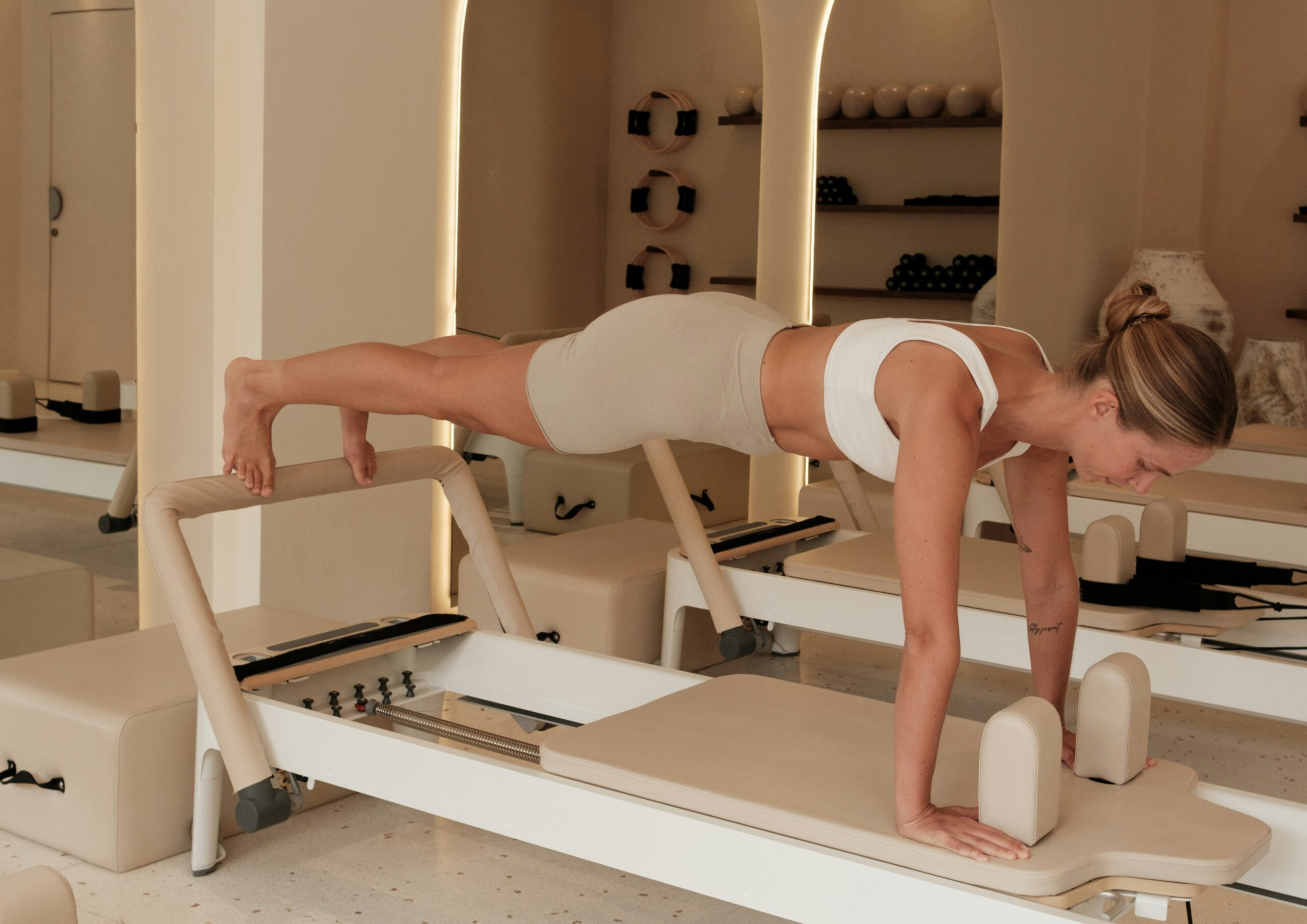
Understanding these principles will help you practice safely and effectively:
- Breathing – Proper breathing supports movement and muscle engagement.
- Concentration – Focus on each movement with intention.
- Control – Avoid rushing; movements should be steady and controlled.
- Centering – Engage your core in every exercise.
- Precision – Pay attention to alignment and technique.
- Flow – Movements should feel smooth and connected.
Essential Beginner Exercises
Here are a few foundational exercises to start with:
1. The Hundred (Modified)
A gentle core activation exercise that builds endurance and breathing control.
2. Pelvic Curl
Strengthens the glutes and improves spinal mobility.
3. Single Leg Stretch
Engages the core while improving coordination.
4. Spine Stretch Forward
Enhances flexibility and posture awareness.
Start slowly and focus on proper form rather than speed or repetition count.
How Often Should Beginners Practice?
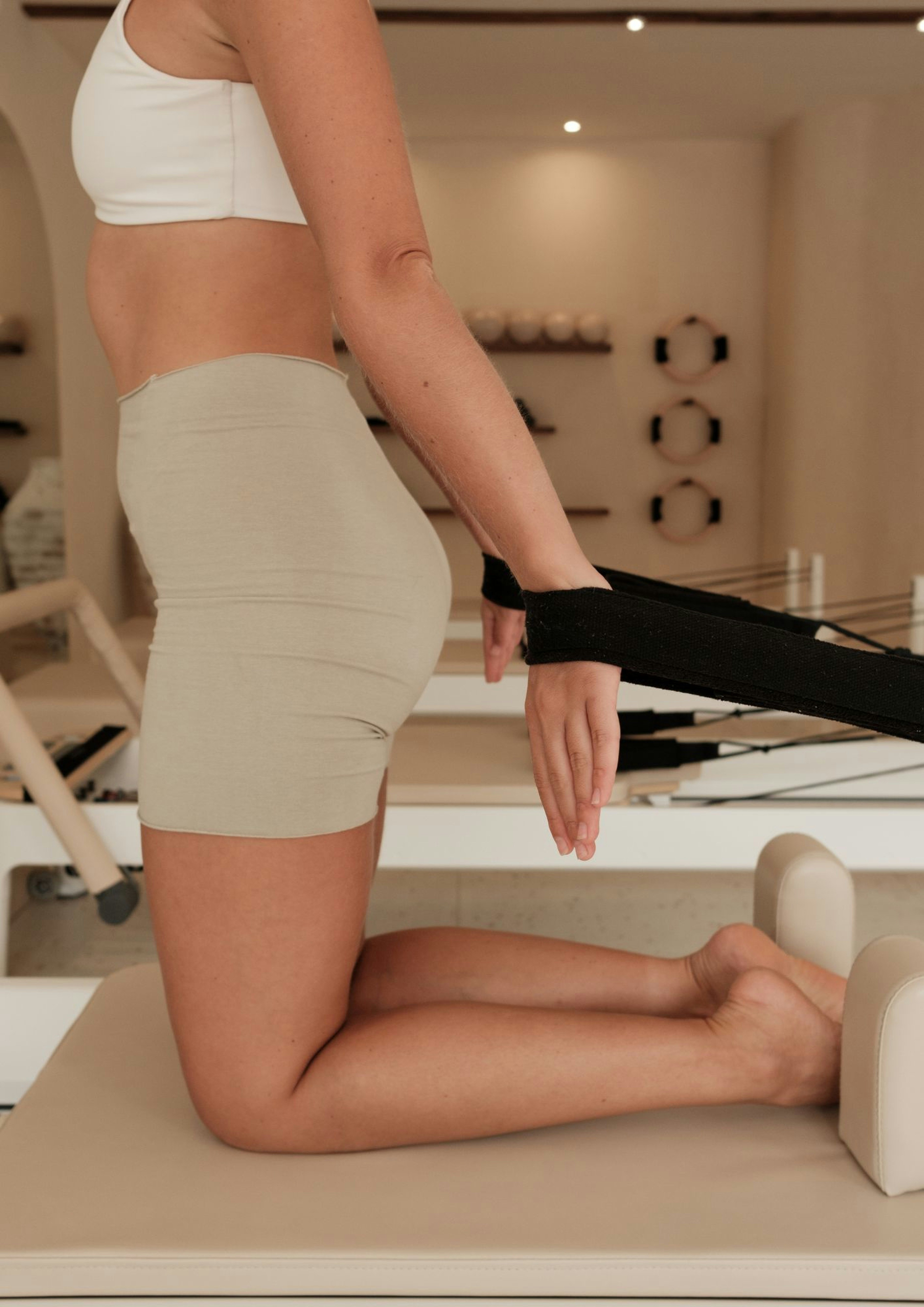
For best results:
- 2–3 sessions per week is ideal.
- Each session can be 20–40 minutes.
- Consistency matters more than intensity.
As your strength and confidence grow, you can gradually increase frequency.
Tips for Success
- Begin with guided videos or certified instruction.
- Use a mat and wear comfortable clothing.
- Listen to your body—Pilates should challenge you, not cause pain.
- Stay consistent and patient with your progress.
Your Journey Starts Here
Pilates is more than just exercise—it’s a holistic approach to wellness that connects body and mind. With consistent practice, you’ll notice improvements in strength, flexibility, and overall confidence.
Ready to continue your journey?
Explore more expert insights, practical tips, and inspiring stories on The Pilates Blog and discover how Pilates can transform your everyday life.