
What is Pilates? A Complete Beginners’ Guide
Have you ever watched a Pilates class and wondered: “Could this really transform my body? ((What To Know About Pilates and Body Composition: Why the Scale Doesn’t Tell the Full Story)(What To Know About Pilates and Body Composition: Why the Scale Doesn’t Tell the Full Story)”. Or maybe you’ve heard it’s the perfect blend of strength, flexibility, and mindfulness, but you’re not sure where to start.
Whether you’re completely new to fitness or looking to complement your current routine, Pilates offers a gentle yet powerful way to strengthen your body, improve posture, and feel more in tune with yourself.
In this complete beginners’ guide, we’ll break down everything you need to know: what Pilates is, its benefits, the different styles, beginner-friendly exercises, and how to start your own practice safely.
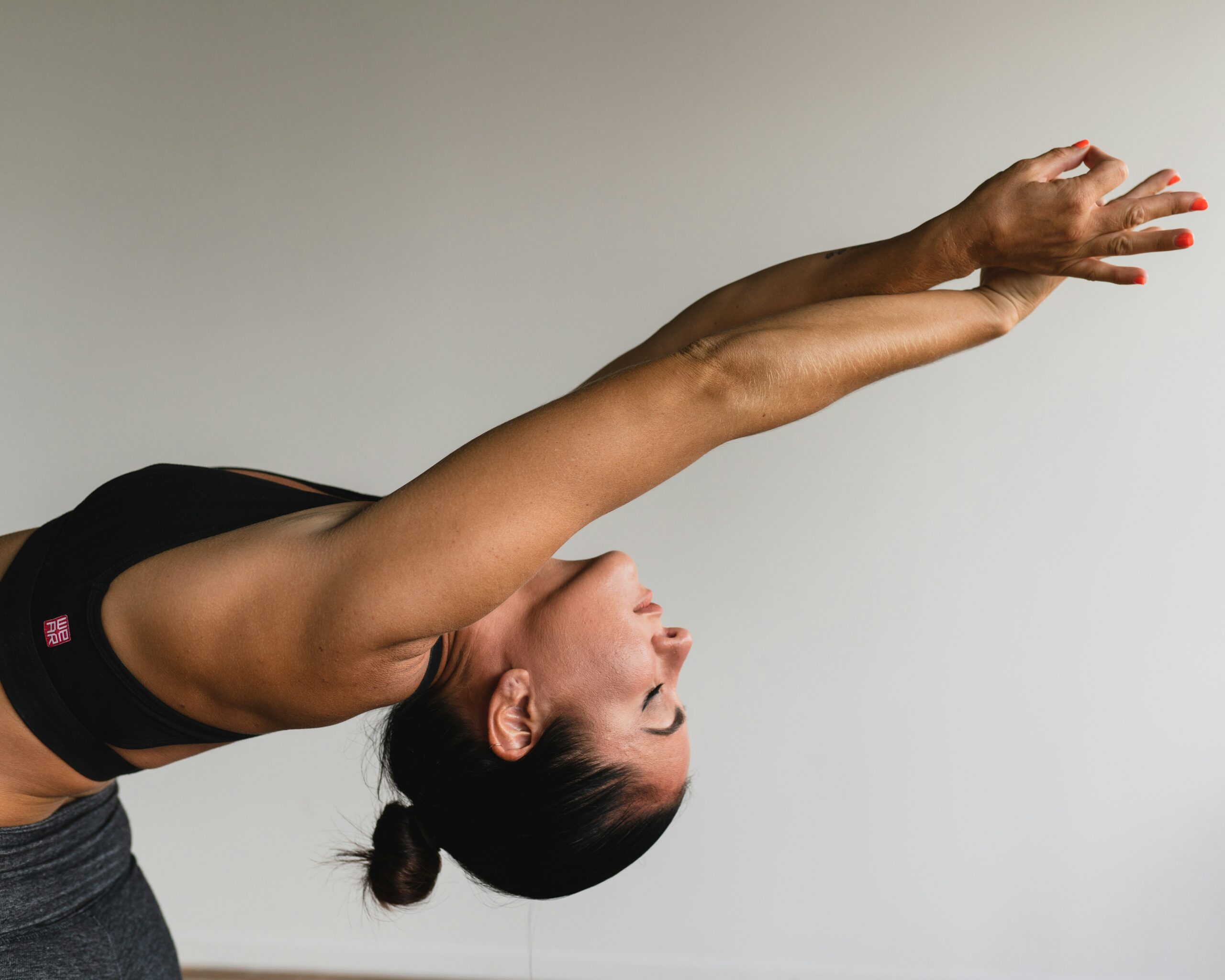
What is Pilates? Understanding the Basics
Pilates is a low-impact exercise method created by Joseph Pilates in the early 20th century. Its core principle is simple: build strength ((What To Know About Pilates and Body Composition: Why the Scale Doesn’t Tell the Full Story)(What To Know About Pilates and Body Composition: Why the Scale Doesn’t Tell the Full Story), stability, and flexibility while connecting mind and body.
Unlike high-intensity workouts that focus on fast movements or heavy weights (Pilates vs Weight Training: Which Builds More Muscle?), Pilates emphasises:
- Controlled movements
- Proper alignment
- Mindful breathing
This approach makes it suitable for anyone, whether you’re recovering from injury, looking to improve posture, or simply want a new way to move.
Why Try Pilates? The Benefits You’ll Love
Pilates is more than just a workout, it’s a lifestyle for your body and mind. Here’s what you can expect when you start practicing ((How Long Does It Take to See Results From Pilates:
1. Strengthen Your Core
A strong core supports your spine, improves posture, and reduces the risk of injury.
2. Improve Flexibility
Gentle stretches lengthen your muscles and release tension you didn’t even know you had.
3. Enhance Posture and Alignment
Pilates teaches body awareness, helping you stand taller and feel more confident.
4. Mind-Body Connection
The focus on controlled movement and breathing brings mindfulness into your workout.
5. Low-Impact and Joint-Friendly
Perfect if you want a safe, effective exercise that doesn’t strain your joints.
Types of Pilates: Which One is Right for You?
Pilates isn’t one-size-fits-all. Knowing the different styles will help you choose what fits your needs and lifestyle.
Mat Pilates
Performed on a mat using body weight, this style is beginner-friendly and focuses on core stability and basic movements.
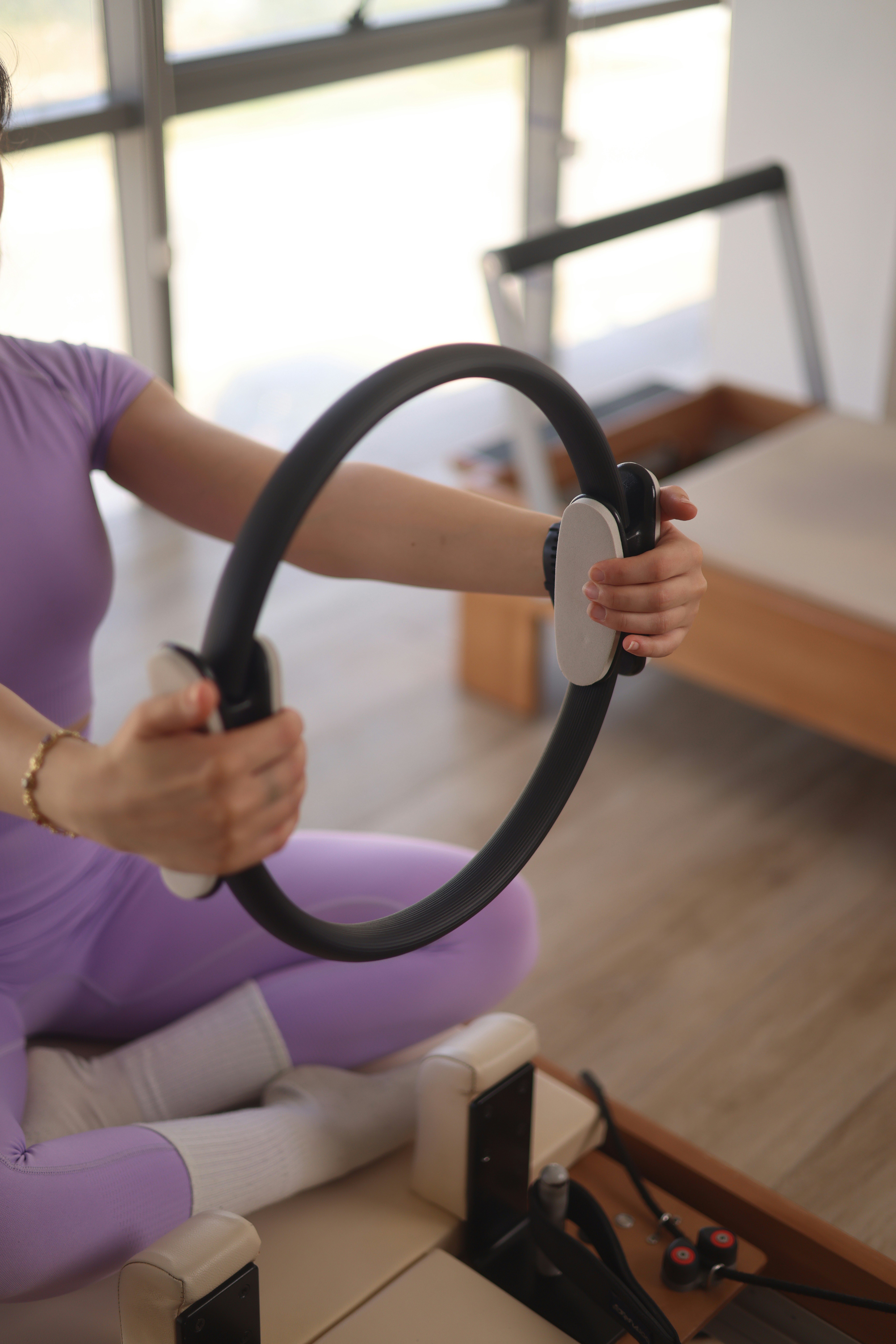
Reformer Pilates
Using a machine with springs and pulleys, this style adds resistance for a full-body, controlled workout. It’s great for progressing your strength and flexibility ((How Long Does It Take to See Results From Pilates.
Clinical or Therapeutic Pilates
Often used in physiotherapy, this style helps with rehabilitation, injury prevention, and chronic pain.
Essential Pilates Equipment
The good news is you don’t need much to start Pilates, but a few tools can make your practice more effective:
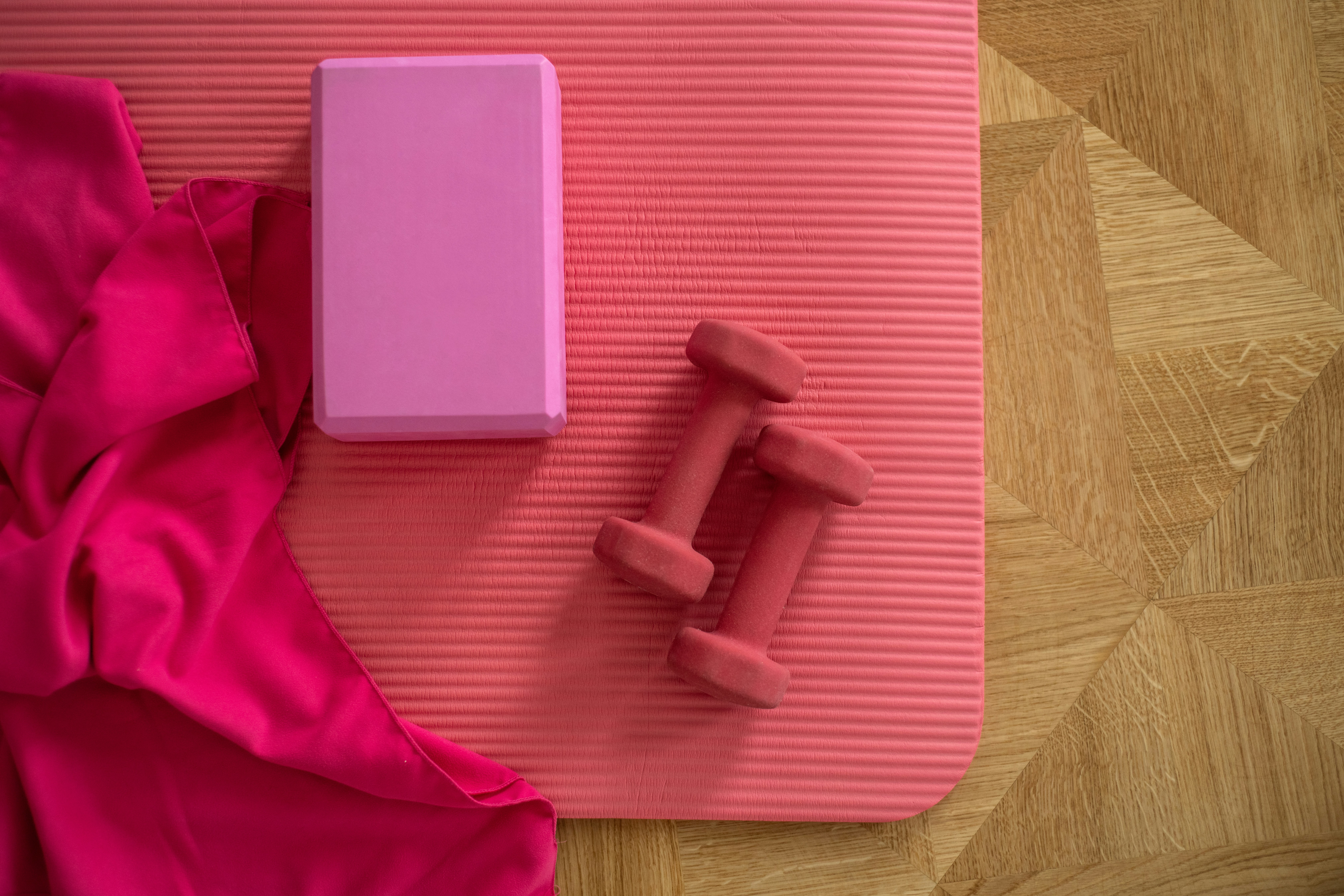
- Mat – Cushions and supports your movements.
- Resistance Bands – Add light resistance to strengthen muscles.
- Pilates Ring – Helps tone arms and thighs.
- Reformer Machine – For advanced, guided resistance exercises.
Beginner-Friendly Pilates Exercises
Here are a few exercises you can try at home or in class. Start slow, focus on your form, and enjoy the process.
The Hundred
Lie on your back, lift your legs to a tabletop position, and pump your arms while coordinating your breath and keeping your core engaged (think of pulling your belly button down to the floor). This warms up your body and strengthens the core
Roll-Up
Lie flat with your arms overhead and slowly roll up to a seated position keeping your core engaged, then slowly roll back down in a controlled way. Improves spinal flexibility and abdominal strength.
Leg Circles
Lie on your back with one leg extended towards the ceiling and circle it slowly. This exercise is great for hip mobility and core control.
Spine Stretch Forward
Sit tall with your legs extended and reach forward towards your toes while keeping a long spine. This movement helps with flexibility and posture awareness.
Tips for Beginners: How to Start Safely and Confidently
Starting Pilates can feel overwhelming, but these simple tips make it easier:
- Focus on form, not speed – quality over quantity!
- Breathe properly – deep, controlled breathing enhances movement and reminds you to keep your core engaged.
- Start small – 20-30 minutes per session is perfect for beginners.
- Seek guidance – whether online or in-person classes help you to learn proper technique.
- Be patient – Pilates is about progress, not perfection ((How Long Does It Take to See Results From Pilates.
Pilates vs. Other Workouts
Unlike high-intensity workouts (Pilates vs Cardio: Which is Better For Weight Loss)
, Pilates is low-impact, full-body, and mind-focused. It complements other exercises routines – whether you run, cycle, or lift weights – by improving core strength, posture, and flexibility.
How to Get Started Today
- Choose a beginner-friendly mat or online class.
- Commit to 2-3 sessions per week.
- Listen to your body and modify movements as needed.
Remember: Pilates is not about perfection, it’s about enjoying movement, gaining awareness, and feeling stronger with every practice.
Conclusion: Your Pilates Journey Starts Here
Pilates is accessible, effective, and transformative. From improving posture to building a strong core and calming your mind, it’s a practice that benefits your whole body.
Grab a mat, take a deep breath, and take your first step into Pilates, you’ll be amazed at what your body can do ((How Long Does It Take to See Results From Pilates.